.jpg)
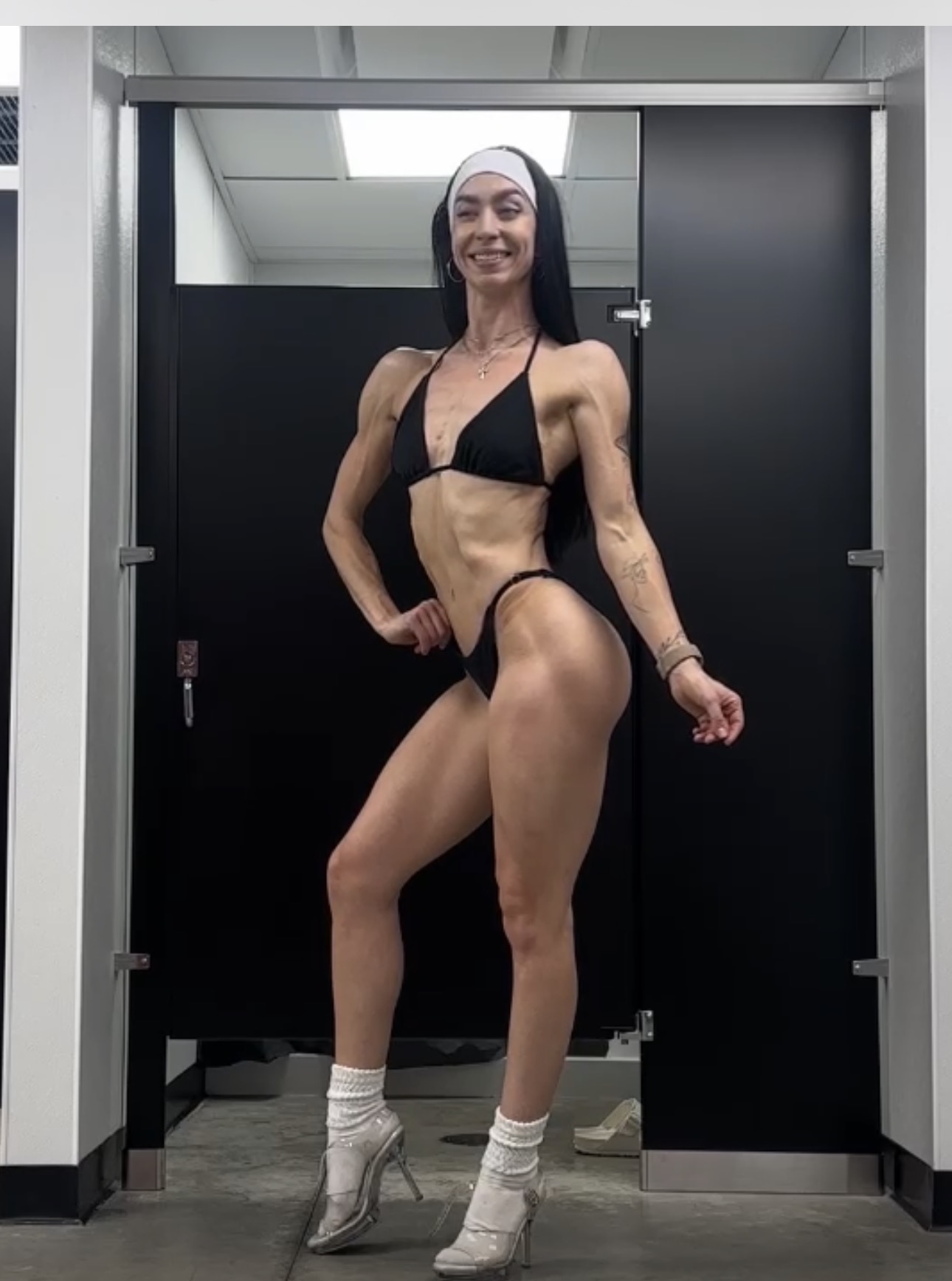
Thinking about a bikini competition? Before you pick a show, you need to know if your physique, habits, timeline, and mindset are ready for prep. This article breaks down what readiness really means so you can avoid a rushed prep and make a smarter decision before stepping on stage.
Thinking about doing a bikini competition is exciting, but being excited to compete and actually being ready to prep are two different things.
That’s where a lot of first-time competitors get themselves in trouble. They pick a show because it gives them a goal, they announce the date, they start looking at suits and posing videos, and then they try to force their body to be ready by that deadline. Sometimes that works out, but a lot of times it creates a rushed prep, unnecessary stress, and a final look that doesn’t match what they hoped to bring to the stage.
You don’t have to be stage lean before you start prep. You don’t have to know everything yet. You don’t even have to be perfect with every part of your routine. But you do need to have enough of a foundation for prep to make sense. That means enough muscle, enough structure, enough time, and enough willingness to hear honest feedback.
A bikini competition isn’t just a weight-loss goal. It’s a judged physique sport. That means your shape, muscle development, conditioning, posing, presentation, and overall balance all matter. The question isn’t just, “Can I do a show?” Technically, anyone can sign up and step on stage. The better question is, “Am I in a good position to prep for a show and bring a look I can actually be proud of?”
That’s the conversation you need to have before you choose a show date.
What “Ready” Actually Means
Being ready for a bikini competition doesn’t mean you already look like a competitor on show day. That’s what prep is for. But it does mean your starting point supports the goal instead of fighting against it.
Physique readiness matters because bikini is not just about being small or lean. You need shape. For most competitors, that means enough glute development, enough shoulder shape, a balanced look from the front and back, and enough muscle to still look athletic once body fat comes down. A small waist helps, but a small waist alone doesn’t create a competitive bikini physique.
Lifestyle readiness matters just as much. Prep requires structure. You’re going to have nutrition targets, training, steps, cardio, posing practice, check-ins, and regular communication with your coach. If your current routine is already inconsistent, prep usually exposes that quickly. That doesn’t mean you can’t ever compete, but it may mean you need to build better habits before starting an official prep.
Mental readiness is another piece people underestimate.
Prep can mess with your head if you don’t understand what’s normal. Some days you’ll look tighter. Some days you’ll look flat, watery, small, or just off. Your weight may jump when you did nothing wrong. Your body won’t look better every single day, and that’s where a lot of competitors start panicking, overthinking, or wanting to change the plan too soon.
Being ready means you can stay coachable and keep executing when the process isn’t giving you instant reassurance.
You Need Enough Muscle Before You Diet Down
One of the biggest mistakes new competitors make is thinking they just need to lose enough body fat and they’ll look ready. Getting leaner can reveal your physique, but it can’t reveal muscle that isn’t there yet.
If you diet down without enough muscle, you may end up smaller, flatter, and less balanced than you expected. This is especially important in bikini because the division is built around shape. The glutes need enough development to show roundness and structure. The shoulders need enough cap to help create balance. The overall look needs to be athletic, feminine, and polished without being overbuilt.
This is where honest feedback matters. Sometimes the answer is, “Yes, you’re in a good spot to prep.” Sometimes the better answer is, “You could compete, but you’d be much more competitive if you spent more time building first.”
That’s not a failure. That’s strategy.
A good offseason can make prep easier, not harder. If you take time to build the areas that need it, you may not have to force the final look with extreme dieting, excessive cardio, or a rushed timeline. You’ll have more shape to reveal once body fat comes down, and that usually makes the whole process more productive.
The goal isn’t just to get lean enough to be on stage. The goal is to have enough muscle and shape that getting lean actually creates the look the division rewards.
You Need Enough Time to Prep Properly
A lot of people still think of contest prep as a 12-week process. For some competitors, that may be enough. For many, especially first-timers, it’s not.
Prep length depends on your starting body composition, your dieting history, your muscle base, your adherence, your stress, your schedule, and how much body fat needs to come off. If you start too far from stage condition or choose a show too soon, the prep becomes more aggressive than it needs to be. Calories may have to drop faster, cardio may have to climb higher, and there’s less room to manage fatigue, stalls, or life disruptions.
That’s not ideal.
A realistic timeline gives you more room to make smart decisions. It gives your coach time to assess trends, adjust when needed, keep training performance as strong as possible, and avoid turning every week into a panic response.
This matters because stage condition is different from looking fit in the gym or looking good in progress pictures. On stage, you’re under bright lights, standing next to other competitors, being compared in real time. Judges aren’t looking at how hard your prep was. They’re looking at what you brought that day.
That’s why choosing the show first and figuring out the rest later can backfire. The show date should fit the athlete, not the other way around.
Your Habits Need to Match the Goal
You don’t need a perfect life to prep, but you do need consistent execution.
If you’re regularly skipping meals, missing workouts, guessing macros, sleeping poorly, drinking often, or constantly saying you’ll get back on track tomorrow, prep is going to be a hard reality check. It doesn’t mean you’re lazy, and it doesn’t mean you don’t want it badly enough. It means your current systems may not support the demands of prep yet.
A bikini prep is built through repeated daily decisions. You have to get your meals in when you’re busy. You have to train when energy isn’t perfect. You have to hit your steps when it’s inconvenient. You have to practice posing before you feel ready. You have to communicate when something is off instead of making random changes or disappearing.
That’s why the offseason matters so much. The offseason isn’t just a break from dieting. It’s where you build the habits, muscle, training quality, and structure that make prep more successful later.
If your offseason is chaotic, your prep usually feels harder than it needs to. If your offseason is structured, your prep has a better foundation to work from.
You Have to Be Willing to Hear the Truth
This is one of the biggest readiness markers.
If you want to compete seriously, you need to be able to receive honest feedback without taking it as an attack. A good coach should not just tell you what sounds exciting. They should be able to tell you what is actually needed for your stage look.
That might mean you need more muscle before you prep. It might mean the show you picked is too soon. It might mean your posing needs a lot of work. It might mean your current consistency isn’t where it needs to be. It might mean your goal is possible, but the timeline needs to change.
That’s not negativity. That’s coaching.
In bodybuilding, judges only see the end result. They don’t know how busy your life was, how stressed you were, how many obstacles came up, or how badly you wanted it. They judge the physique and presentation in front of them. That’s why honest feedback before prep matters so much.
The sooner you know what needs work, the more time you have to fix it.
Signs You May Be Ready for a Bikini Competition
You may be ready to start preparing for a bikini competition if you’re already training consistently, following some level of structured nutrition, and have enough muscle shape to diet down without looking underdeveloped.
You should also have a realistic timeline. If you’re open to starting early, taking feedback, and choosing a show that actually fits your starting point, you’re already in a better position than someone who is trying to force a random date.
Another good sign is that you’re willing to practice posing early. A Bikini presentation IS NOT something to throw together at the end. Your front pose, back pose, transitions, walk, confidence, and facial expression all affect how your physique is seen. A great physique can look average if posing is off, and a good physique can look much better when presentation is polished.
You may also be ready if you understand that prep won’t feel good every day. There will be days you’re tired, hungry, flat, frustrated, or unsure. That doesn’t automatically mean something is wrong. It means you need to keep the goal in front of you and keep making decisions based on the plan, not emotions.
Signs You May Not Be Ready Yet
You may not be ready if you mainly want to compete because you need a deadline to lose weight. A show can be motivating, but a bikini competition is not just a transformation challenge. It’s a physique sport, and if the only goal is to get smaller, there may be better first steps before committing to the stage.
You may also not be ready if your training is inconsistent, your nutrition is mostly guesswork, or your schedule doesn’t realistically allow you to execute the plan. Prep doesn’t care that life is busy. That may sound harsh, but it’s true. The demands are still there whether your week is easy or chaotic.
Another sign is needing constant reassurance from every fluctuation. If one higher weigh-in or one watery progress picture sends you into panic, that doesn’t mean you can’t compete, but it does mean you need education, structure, and a better understanding of how prep actually works.
Your body will fluctuate. Your look will change. Some days won’t make sense emotionally, even when the data is still fine. That’s part of prep.
The Biggest Mistake First-Time Competitors Make
The biggest mistake is picking a show before getting an honest assessment.
A lot of competitors choose a date first and then try to make everything fit that date. They buy the suit, tell people they’re competing, and emotionally lock themselves into the show before they know if the timeline makes sense.
That’s backwards.
The better approach is to assess your current physique, your body composition, your muscle base, your training history, your lifestyle, and your timeline first. Then you choose a show that fits the process.
A show date should give you enough time to bring your best possible look. It should not force you into a rushed prep just because you picked it too early.
So, Are You Ready?
You’re ready for a bikini competition when your physique, habits, mindset, and timeline all support the goal.
That doesn’t mean everything has to be perfect. It doesn’t mean you need to look stage-ready before you start. It doesn’t mean you need to know every detail about competing yet. But it does mean you need to be honest about where you are, what needs to improve, and whether you have enough time to get there without forcing the process.
A bikini competition can be an incredible goal. If you want it to be truly competitive, it needs to be treated like a real competitive goal, not just a fun deadline.
The stage has a way of exposing everything. The work you did, the habits you built, the areas you skipped, and the decisions you made before prep even started.
If you’re serious about competing, the first step isn’t picking a random show date. The first step is getting an honest assessment of where you are now and what it would actually take to get you stage-ready.
If you’re thinking about competing in bikini and want honest feedback before choosing a show, our coaching team can help you assess your current physique, timeline, and readiness. We’ll tell you what you need to hear, not just what sounds exciting. If the stage makes sense now, we’ll help you build the plan. If you need more time to build first, we’ll tell you that too.
Conclusion
Getting excited about a bikini competition is the easy part. The more important question is whether your physique, habits, timeline, and mindset are actually in a place where prep makes sense. You don’t have to be stage-ready before you start, but you do need an honest starting point, a realistic plan, and someone who can tell you what needs to happen without sugar-coating it.
If you’re thinking about competing and want to know whether now is the right time, fill out a coaching application with USA Physique.
We’ll review where you’re starting, what your goal looks like, and what it would realistically take to get you stage-ready. If prep makes sense, we’ll help you build the plan. If you need more time to build first, we’ll tell you that too.